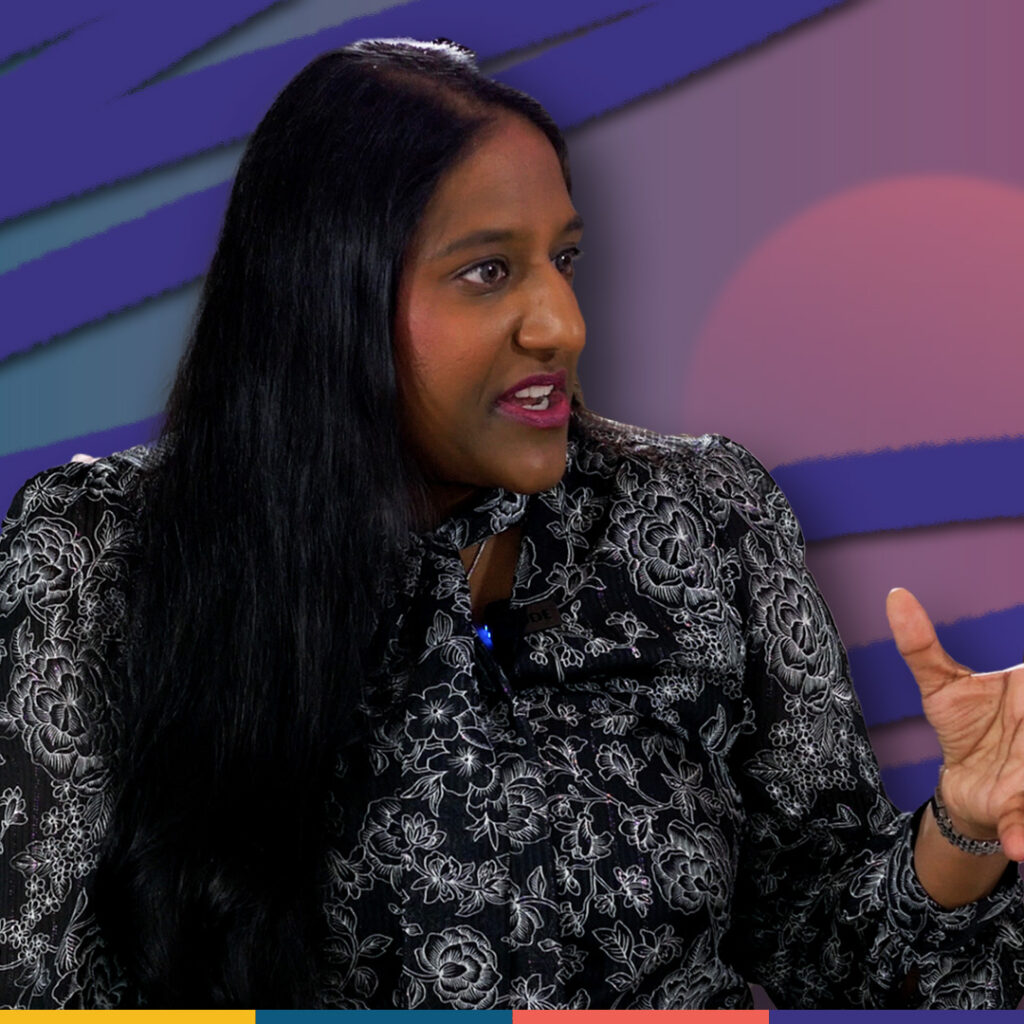
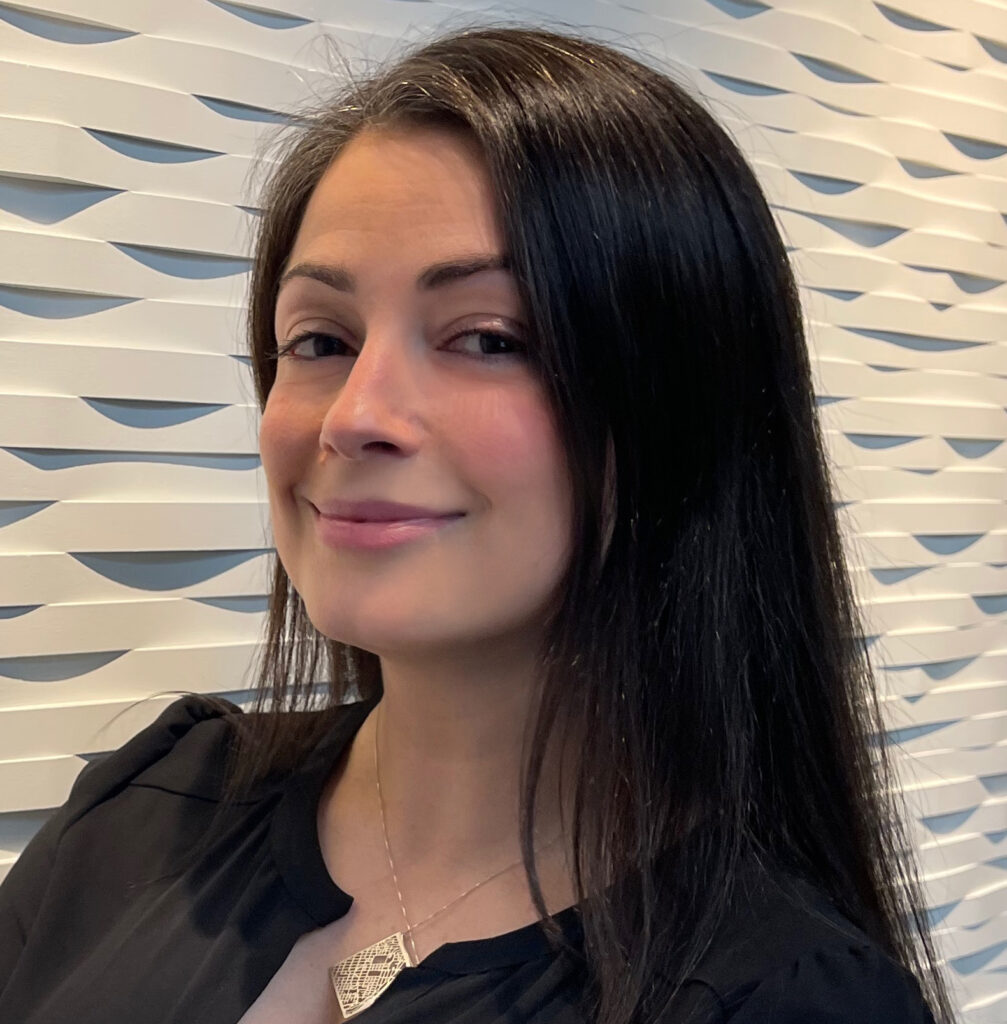
In a special Meeting of the Minds episode recorded at HLTH, Senior Director of Commercial Intelligence Chris Hemphill sat down with Paul Schrimpf, a partner at the management consultancy Prophet and host of the podcast Microdosing to discuss how you can make the HLTH experience work for you.

Sign up to learn about future episodes of Meeting of the Minds
Key Points
–HLTH isn’t about one sector. It’s a cross-section of progressive, innovative thinking about the future of healthcare.
–As such, it’s not all about buying and selling, there’s real opportunity to learn something new and meet someone new. Commercial opportunities may come out of it, but enjoy the conversations and being among like-minded people.
–There’s a maturity and sophistication around product development at HLTH. People talk about product market fit, pricing, patient engagement, and patient experience.
Watch the Full Episode
Watch a Highlight
Sign up to learn about future episodes of Meeting of the Minds
Read the Transcript
Chris Hemphill: Okay, great. All right. We’re out here in an improvised setup. This is a completely new setup for Meeting of the Minds, that we set up at HLTH 2022, because I happened to run into a good friend of mine, Paul Schrimpf, who is a management consultant at Prophet, and is also the host of the Microdosing podcast. So within this podcast, the reason it’s called Microdosing because it’s, actually, go ahead and explain.
Paul Schrimpf: Yes, they’re microdoses of information. So a long time ago I got fed up with that slice of healthcare content that was philosophical, conceptual, rambling. And as I often tell people how I started it, the tipping point was listening to a physician panel and I was 20 minutes into it, and they were still on bios around where they got their medical degree 20 years ago, whether it’s the triple aim, quadruple aim, or quintuple aim. And they weren’t talking about anything substantive, and I thought about all the different pieces of healthcare content that we get that are just too long and too fluffy.
There’s a role for vision and philosophy in healthcare content, but I took some inspiration from another podcast I was listening to and launched Microdosing, which was to talk about a specific person, a specific product, a specific business that’s actually making a difference in healthcare. Get on, make the point, make the key points, and then that person or listener can follow that person or product or whoever and actually be seeing something in healthcare instead of talking about concepts. But that was the whole backdrop around Microdosing, and it’s fun. I do five-minute interviews. I’ve been doing a number of them around here. Just wrapped up one at the Patient Experience Lab, which was a phenomenal conversation with the folks at Savvy Co-op. But I’ll stop there cause I can keep talking forever.
C.H.: Yeah. If you keep talking, then it goes against the philosophy of Microdose, it sounds like.
P.S.: Exactly. Exactly.
C.H.: But no worries about that because sometimes there’s a calling for the long form and sometimes there’s a calling for the much shorter. So we welcome both.
P.S.: I think that was the consensus. We were at the Power Press Awards with Dennis and his crew there. And they did a plug with a really good research journalist going, we need really good, deep, thoughtful, robust content in healthcare and we can’t be doing snackable. You can’t get what you need from a chicken nugget of content. I’m like, that’s my content. I’m the chicken nugget. Hey, we could do both.
C.H.: Yeah. YouTube; YouTube shorts. Vimeo; Tik-Tok. There’s room, room for it all.
P.S.: Exactly.
C.H.: So let’s get to the point of what we are meeting about is that we’re at this HLTH conference.
P.S.: I thought we were at Comic Con.
C.H.: Oh, no. I thought it was Dragon Con. There’s a lot of similarities though, because some people are at Comic Con for the panels. Other people are at Comic Con for the parties. It’s the same thing. Comic Con and HLTH are the same exact thing. But I think that a good thing to discuss, I’ve been hearing about the interviews that you’ve been doing out here, the things that you’ve been learning, and I thought that would just be good to get together and have a little guide to HLTH. How you can make the HLTH experience work for you, because I’ve heard people that haven’t been getting what they want out of the sessions. I’ve heard other people that are excited. I lean more towards the excited part with empathy towards the other side.
P.S.: Yes, yeah. I think there’s still a mix. I think we still have breakout sessions. We have to remember and remind ourselves, there’s moderators that are moderating panels that aren’t trained moderators. They’re there to play their role and plug the organization they represent. And then we’ve got a lot of great healthcare executives that really aren’t trained on stage presence. So sometimes that kind of creates a little bit of a rift. But for the most part, the dialogue that we’ve had on stage, more importantly, the representation we’ve had on stage, is really refreshing.
And then how it’s cascading into conversation. So most of my energy this week has just been in dialogue. So I’ve been having so many quick conversations from 30 seconds, “Hi, I’ll catch up with you later,” to good conversations over dinner. And it’s always fascinating when people say, how do you describe HLTH? Is it a digital healthcare conference? And I go, well, I didn’t know there were non-digital healthcare conferences anymore. But it’s not payer-provider. It’s not a sector break in the industry. It’s not a size break, but it’s this interesting cross dimension of progressive, innovative thinking. And you’ve got startups, growth stage, established organizations, payer-providers, but you’ve got people that are really excited about the future of healthcare and want to do something about it, and I think that’s just where I get a lot of energy this week.
C.H.: Cool. And let’s dig in a little bit on that energy though, because you were talking about where you’re getting the energy from. The conversations are not just the presentations but things that you’re doing face to face. So I’ll say, somebody hit me up on LinkedIn and I had a good conversation with him. Could you talk about what it takes to just get some good conversations going here?
P.S.: I think put yourself out there. I think the big mistake I think people make at conferences, and I’m learning this or had learned it, is there’s not buying and selling going on all the time. There’s some setup where there are investors. If you’re a growth stage company, they are making that broker, brokering. But you want to get conversations to learn something, to meet somebody new. And then what I find interesting is if you enjoy having the conversations over the next two, three weeks, maybe a year, commercial opportunities fall out of that, but come to enjoy the conversation and being among like-minded people. And then, what, I’ll call it karma or whatnot, work the business side out and that seems to be a good recipe. But if you’re going into each conversation going, are you a potential buyer? Are you a customer? Are you a competitor? You’re overthinking it.
C.H.: And maybe not even thinking it in the right direction because there’s a smell that comes with that, right?
P.S.: Yes.
C.H.: When people smell that, I’m just here for a pitch rather than this person’s … yeah.
P.S.: Yes. Well, you can see the smell, and you still get it here, not as much, where the eyes go to the badge and they’re filtering this conversation based on what your badge is, but there’s less of that. There’s more eye to eye, happy to see you. Let me hear about your story and try to find the opportunity in any conversation versus filtering that before the conversation starts.
C.H.: And there’s another piece of conference etiquette I want to randomly get into, which I would, let’s call it cornering. Does that ring a-
P.S.: Yes.
C.H.: Okay. So I was talking to somebody, and I actually feel like I made a mistake. We had a conversation on LinkedIn, and I went up to this person after they gave a fantastic presentation. And I started off with, “Hey, we talked on LinkedIn.” And immediately a barrier went up like, what, what? What are you talking about? And he told me that, he said, a lot of people reach out. A lot of people will walk up and say, I talked to you on LinkedIn, but all they did was send a message that he didn’t reply to.
So in this scenario, we had had a back and forth, so I was still feeling energized from that back and forth. But the cornering etiquette that I’m talking about here is don’t make up a false pretense for … Because I was surprised, honestly. I’m surprised I’m having to say this, but just having had that conversation with him, I was like, oh, okay. So there’s a danger that people out here making things up.
P.S.: And you have to appreciate, CEOs know they’re CEOs, and I’ve learned this in my career–as my title’s gone up so has my junk email. And I get reach outs here at HLTH that we can do it, which is… I’m a management consultant. Nobody’s really looking to sell to a management consultant. But I’ll still get those reach outs going, hey, can we connect at HLTH? I’m like, do you know who I am? I’m not a provider or payer, but I can see where that muscle kind of comes up, which is that prospecting email followed by a handshake going, “I’d like for you to be a customer or a buyer,” is off-putting. But it has a smell to it. It has a smell.
C.H.: Normally when people say, “Do you know who I am,” they’re inferring that they have a whole lot of money and influence and you’re doing, this is the opposite. “Do you know who I am?” Actually, you might want to be talking to somebody else about this.
P.S.: Not really your target buyer. I’m happy to have the conversation for everything I’d said before, but if you’re looking for customer conversations, I might not be fitting that mold.
C.H.: We’ve got a little blueprint of the way to reach out, the do’s and don’ts and things like that. I want to get into a little bit of, can you talk about any specific conversations, learnings? What’s stuck out for you from this way that you’ve been setting up, and how many conversations did you set up? First of all, how many conversations did you set up?
P.S.: I’m about halfway through, got about 10 done. I’ll probably get another 10 done before the conference is over. And then I’m happy to do spillover, virtual follow-ups. But it’s been great. I mean, I’ve got recency bias. The Patient Experience Lab run by Savvy Co-op is phenomenal. So it’s an organization that brings together patient communities to get patient empathy more dialed into a lot of healthcare companies, but they’re featuring and interviewing a lot of variety of patients. But when I talk to people at Savvy Co-Op, it was that zeal of wanting to talk about themselves to anybody who would listen. Not in a desperate way, but in this prideful way and I just love that because they’re bringing a lens of, what I always say is addressing the clinical and therapeutic need with the psychological need of patients. You understand things like stigma associated with things.
So if you’ve got chronic kidney disease, the stigma of getting dialysis is what’s holding you back. Not that dialysis is bad or good, or I’ve seen healthcare companies that make nutrition shakes and people don’t want their nutrition shake in their main refrigerators. Somebody will see it. So you’ve got this interesting thing that’s not a clinical therapeutic area, which I find fantastic.
The other one, which is a little bit not even tangential, is just this better appreciation of product design and product management. For some reason, other than clinical development, therapy development, healthcare, there’s a really low maturity around product development in most of healthcare. You’re not finding that here. You’re hearing people talk about product market fit. You’re hearing people talk about pricing and how do we get paid for stuff. It’s not just, here’s a good idea and hope somebody buys it, which happens way too often in healthcare. Happens everywhere. But those are the things I’m getting out of these conversations, are kind of cutting through a lot of my dialogue, which is people actually bringing good, sophisticated, mature innovation practices to healthcare versus what I would say the spray and pray method has been for too long.
C.H.: So are you saying that in previous conferences and things like that, you are not getting … You’re getting a higher level of sophistication around-
P.S.: Yes.
C.H.: Wow.
P.S: Yeah. So if I take, for instance, the more clinically oriented conferences, whether it be around diabetes, cancer, stroke, there’s great conversation, and it’s a good conversation on the clinical side. This drug compound can do this. If people take this drug, good things happen. But there’s never been a case anywhere, to my knowledge, of the patient population that’s been fully compliant with their therapies. And if we don’t address the compliance issue with the drug compound or the therapy, we’re only solving for half the problem, and this conference seems to be solving for the other half of the problem around patient engagement, patient experience that needs to complement a lot of our healthcare experiences today, which requires sophisticated product development thinking to pair with that good clinical product development thinking.
C.H.: Wow. So are you saying that there’s a lot of focus on patient engagement and patient experience, but there’s a gap when it comes to compliance and adherence?
P.S.: Yeah. I had a great conversation with Joel [Horsford] from Medmo, which has already been published. His organization helps ensure patients can navigate towards imaging centers. So whenever you get diagnosed with something, normally imaging, it plays a big role in that diagnostic and making sure they get that scan. But he’s able to provide a platform that allows you to identify an imaging center, understand the payment and be transparent, but just makes the complexity of getting that scan a lot easier. Because a lot of scannings done in hospitals today, you’ve got to deal with ER volume and other volume. And if you don’t get the right scans and the right imaging, it’s hard to get diagnosed. But that patient experience through a digital interface is closing that gap. Because again, I’m going to be hyperbolic. There is advancement in imaging, but the image itself isn’t the problem. The MRI, the CT scan isn’t the problem. Getting the person there to get it done is one arm of the barriers that needs to be addressed, which I’m getting that conversation here this week.
C.H.: That’s major to hear that that’s coming front and center and it kind of calls into question all these solutions. There needs to be some way, like it’s not if you build it, they will come.
P.S.: Precisely. I mean, you look at adoption rates, but there’s … you’ll hear me say it again and again. There’s a lot of healthcare innovation that gets rolled out that lacks product market fit. One of my best examples is an organization I worked with had all the skills for artificial intelligence, all the skills for natural language processing, and they just needed to do some social media scraping and wouldn’t it be great if we did social media scraping to detect adverse events? I think that’s a great idea. A lot of people could be saved from that. It makes the pharmaceutical industry much more compliant with the quality.
The problem is there’s no customer for it. So who would buy that? Who would sponsor that? Pharmaceutical companies, when there’s an adverse event, it costs a million dollars to fix it. They should fix it. They sort of don’t want to know about them. But it’s another great example of the idea was great. Societally it would’ve been better, but it lacked product market fit, and we run into that time and time again because we’re missing good product management, product development techniques on the experience side of healthcare.
C.H.: And I want to just dig into your experience a little bit more. What types of organizations are you typically working with?
P.S.: I’m that rare breed that works with a cross-sector. So I work with executives in health insurance companies, executives in pharmaceutical companies, providers. I often joke with my other colleagues, Jeff [Gourdji, Partner, Prophet], Lindsey [Mosby, Partner] and Priya [Aneja, Associate Partner], we’re in more C-suites, but across a set of sectors, which gives us an interesting eclectic view of the misalignment of incentives. But that’s where we play. They’re usually larger. They’re usually over five billion if not over 50 billion. And trying to watch organizations that were, many of them, built before the 20th century, dealing with legacy infrastructure built for an era of a different time wrestle with the new way of product development has been where we do a lot of our work, which gets into transformation, which you hear a lot when my content and my other podcast, which was Healthcare Changemakers.
C.H.: I’m going to ask you to change the name of your consulting firm to Bumblebee because you’re cross pollin-
P.S.: Cross-pollinating. Yes. I like it. I thought you were going with Transformers reference in there.
C.H.: No, sadly.
P.S.: It was in your mind though. I knew it was.
C.H.: Had to have been there somewhere. That leads me to kind of my ultimate question. I asked that because I wanted the framing of where you’re coming from with this, but we ask this with everyone on the show if there’s anything, if there’s one thing that you could change about the way healthcare is delivered, what would that be?
P.S.: I love that question because I’m unprepared for it. I would go with not forgetting that transparency requires simplicity. So I think in healthcare we’re at an inflection point where we’re talking about transparency, and it’s resulting in disclosing way too much information. I equate it to a home closing. If you’ve ever bought a house and closed on a loan, you sign a pack stack of paper this thick. I’m not making that up. It’s that thick.
If you’ve ever gone through a home closing and getting a loan, you’re literally signing a stack of papers that thick. I like to be hyperbolic, but it’s that thick. It’s to be transparent. But when you’ve got that much information, you can’t absorb it and digest it, and I think if you’re in this space, when you talk about transparency, you have to talk about simplicity. And it may or may not be saving cost. I think a recent episode I did on Mark Cuban’s Cost Plus Drugs. I don’t know if they’re saving that much money for people, but it’s transparency with simplicity. They break things down and easy to understand. It’s not, here’s all the details, here’s your stack of discharge papers. But blending simplicity with transparency and not viewing them as assumed correlations.
C.H.: A stack of papers this thick is straight up not transparency. I don’t care how much detail you put in it. If it’s not interpretable, that’s not transparency.
P.S.: Nope. I mean, even if you’ve had the joy of having children, when you get discharged after having a baby, you’ve got a stack of papers, and then you wonder why people aren’t compliant. You’re setting a bar almost arguably too high for them.
C.H.: Yeah. We should look at transparency as a result rather than a process.
P.S.: Yes, for sure.
C.H.: Like, are we understood? Is it being heard? Yeah. Does the patient understand why? Well, big thank you for that. And for the sake of your own transparency, the people that want to follow you. What’s the best way people can reach out or just follow what you’re thinking?
P.S.: Yeah. The best way to follow me, I’m usually most active on LinkedIn, so that’s linkedin.com/n/schrimpf. So I got on LinkedIn so long ago that I’ve got the whole last name to myself. And then follow all my content. I usually publish either through prophet.com/healthcare. And then my podcast is wwwmd.pod, or I’ll tape that again. For Microdosing content that’s md-pod.com and that’s everywhere that you can find stuff about me
C.H.: And if you see that logo, you’ve gone to the right place.
P.S.: Yes.
C.H.: Well thank you again everybody who’s hanging out with us with Meeting of the Minds. We’re really enjoying being able to have these conversations out here at HLTH. Thank you, Paul, for sharing your thoughts and ideas.
P.S: And then thank you for keeping it waist up so you can’t see that he’s killing me on the sock game as usual. Always a good sock game.
C.H.: It is all gravy. I actually subscribe to a sock service called Sock Club, which I consider a SaaS company, sox as a service. So with that overshare signing out.
If you’re interested in following more of these conversations, just look us up Meeting of the Minds, look up our Meeting of the Minds link and we’ll make sure that you know about the next conversation that’s coming.
P.S.: This has been fun. Thanks for having me.
Sign up to learn about future episodes of Meeting of the Minds