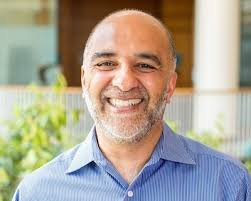
Breaking Barriers in Behavioral Healthcare: Dr. Taft Parson III –...
Summary: Dr. Taft Parsons III, Chief Psychiatric Officer at CVS Health, discusses his journey into behavioral health leadership and how…
Summary:
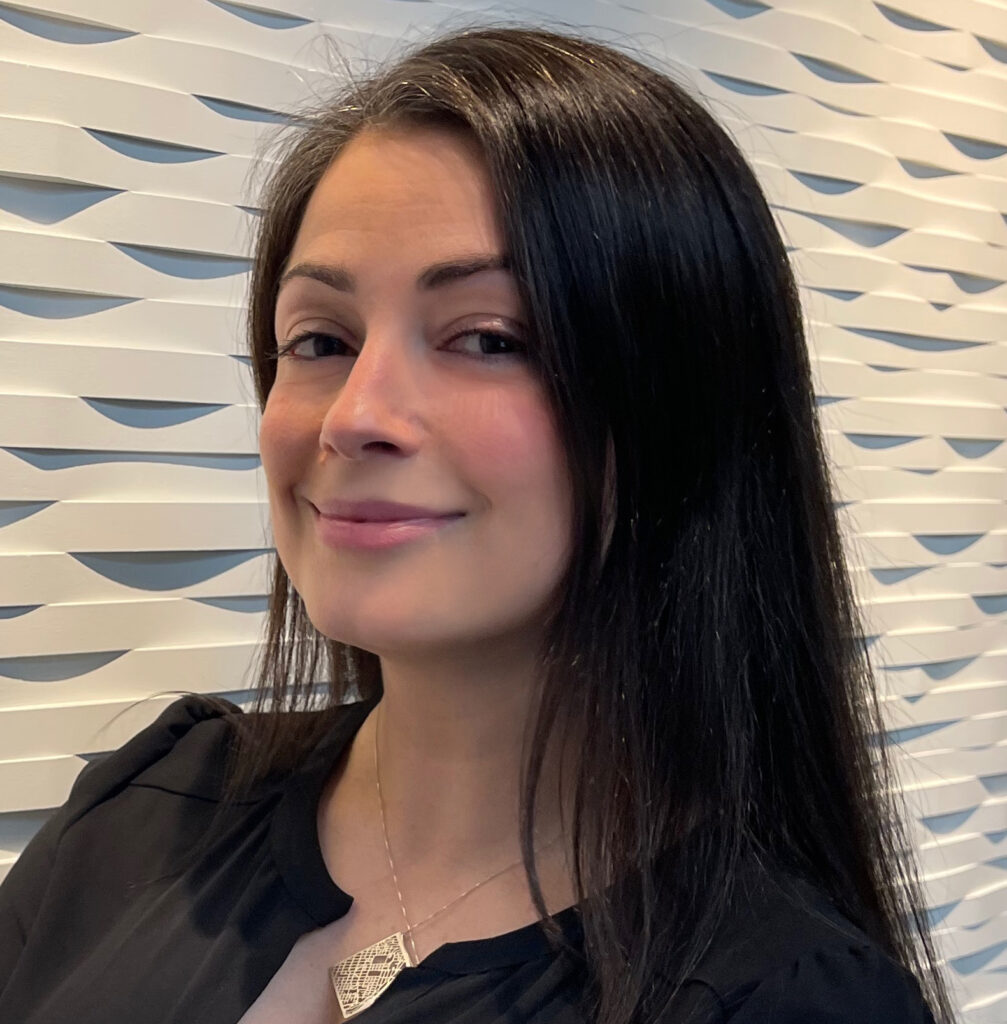
In this episode of Woebot Health’s Meeting of the Minds Podcast, Dr. Angela Skrynzski, Virtua Health’s lead physician for tele-health, changes the conversation to, “What support can we offer in a comprehensive care plan?”
She talks about their experience with Woebot, but the full conversation is about clinician experience, excitement, and concerns with AI.
We believe in a future where tech and clinicians collaborate on the best journeys and models for patients, and Angela gives the play by play on what that future can look like!
Disclaimer: Woebot has not been evaluated, cleared, or approved by the FDA for safety or effectiveness. It may be considered as an adjunct to care but is not intended to replace clinical care. Woebot may not be appropriate for all individuals.
Key Takeaways:
Chris Hemphill, Interviewer (AI Strategy & Data Science, Woebot Health) – Intro & Disclaimer
You’re hearing from Dr. Angela Skryznski, who is lead physician for telehealth at Virtua Health in New Jersey.
In full disclosure, Virtua Health is a client of Woebot Health, and Angela leads the clinician journey.
So, even though I personally think Woebot is awesome, I didn’t want this episode to feel like an ad. Instead, we wanted to fight the hype, doom, and gloom surrounding AI with a discussion on actual use and operations in mental health support.
This means practical instead of hypothetical at a site with more than 450 Woebot users. It means real world instead of trial. And it means discussing real clinician and patient excitement and concerns.
Because this is an episode where we talk about Woebot, you get to hear our first legal disclaimer: Woebot has not been evaluated, cleared, or approved by the FDA for safety or effectiveness. It may be considered as an adjunct to care but is not intended to replace clinical care. Woebot may not be appropriate for all individuals.
Thank you and on to the show!
Chris:
Welcome to another Woebot Health Meeting of the Minds here at the Behavioral Health Tech Conference. One thing that you don’t, I hope you don’t consider it a theme here. I hope you don’t feel like there’s a lot of hype around AI. Yes, we work for a company that incorporates AI into a lot of our methods, but we try to avoid the hype and the promise and really focus on actual work being done.
So here we have Dr. Angela Skrzynski, who is Virtua Health’s lead for telehealth and innovation. Quick introduction from you or hello to our audience.
Angela:
Hi everybody. I’m so excited to be talking to you today. Virtua has been really successful and happy about our partnership with Woebot, and there’s just so much to talk about.
Chris:
Okay, well, fantastic. And even deeper because on Meeting of the Minds, I try to avoid sounding like I’m pitching anything and I want to keep conversations to what leaders are doing, what people are putting their hands on and driving results. So don’t want anybody feel like we’re having a Woebot pitch. We’re going to talk about a whole lot more than just that relationship, but then we’ll get into that and you can fast-forward to different sections that you want to see.
If you want to focus in on the tech, there’s going to be parts of the conversation that do that. But really, what is this conversation for? It’s for the fact that in healthcare, nobody wants to be first, but somebody does have to be first. Somebody does have to be early. But guess what? In the case of incorporating tools like Woebot into clinical workflows and using that as an extender to your population, you can’t be first. Why?
Angela:
You’ve got-
Chris:
Because you’re first… Well-
Angela:
Well, that’s true. That’s exactly true why we tried to take, but you know it’s interesting what you say, because there is that risk of being an early adopter. There’s no ability then to take lessons learned from anybody else. You’re taking all the risk on yourself, but then there’s certainly that advantage too, of being able to drive all of that learning and sort of curate an experience from scratch.
And of course, to have more experience than anybody else and be able to bring something to your patients or to whoever your consumer or client is that is just new and different and innovative, and how exciting for a team to be able to do something first. There’s something in that that just feels great.
Chris:
Folks. Okay, let’s strip away the language of hype. Let’s strip away promises. Because even hearing these promises and hearing exaggerated claims and everything like that, it makes me curl up into a ball.
Angela:
Sure.
Chris:
It makes me afraid. But maybe we even talk about the anatomy of being first, how to approach innovation in the right way, teasing out in the right way for populations so that you don’t make the dastardly mistakes that you see when people dive headfirst into unproven lands and unproven grounds. But Dr. Angela or Angela?
Angela:
Angela.
Chris:
Angela. Okay. But I like to emphasize that you have the medical background, you have the one-on-one experience with patients because you go to some conferences, you go to some areas and you don’t see the clinician involved, and you know that the solutions aren’t built to that mindset. So I’d really just like to hear from you your personal story and how it’s led you into medicine…
Angela:
Sure.
Chris:
… and now into innovation leadership in medicine.
Angela:
Sure. Sure. I have sort of a typical story that ends in an atypical story. So my parents are both physicians and I guess it’s in the blood. I have a photo of myself at age two in scrubs that say, “Doctor in Training.” So ended up being a little bit of the family business. And I went to medical school and then I did my residency in family medicine and a fellowship in sleep medicine because that whole aspect of wellness is very interesting to me.
And I was working in primary care and then the pandemic hit and there was this need to see patients in different ways because there was no longer the ability to see them in person, face-to-face. And so, we spun up a telemedicine COVID response team essentially at first, and that expanded into many, many more things.
And Virtua started a digital transformation office, and I’ve had the opportunity and pleasure to work in that space since then. And I did my first telemedicine visit ever in, was it March of 2020, and that’s almost exclusively what I’ve done since then, and it’s just an area that I feel really excited about and passionate about, and I enjoy it. So it’s been really cool, but it’s certainly not a traditional trajectory, and it also was not planned.
Chris:
So how did that call to arms come about that, hey, there’s probably a whole bunch of other people that might’ve had some ideas about innovation, leadership. How did that come to you and what did you feel like taking on that role of I’m now evaluating the technologies that lead to the future of Virtua?
Angela:
Yeah, so it’s a very simple answer. I got an email, it was sent to a bunch of clinicians. I got an email and it said, “Would anyone like to do try out some telemedicine?” I’m like, “Yeah, definitely. That sounds cool.” And it’s turned into my full-time gig essentially at this point.
And so, like I said, that evolved into doing the clinical work of seeing patients via telemedicine, but also of course, driving forward the technology around that such that it’s clinician friendly and patient friendly, bringing that clinician mindset to the development of all of these different innovations and initiatives that we do at Virtua in technology.
Chris:
Absolutely fantastic. Oh my goodness. When I think about projects about innovation that have not included the people that you’re…
Angela:
Sure.
Chris:
… I’m so glad that they took the route of including clinicians, and if you’re listening, that is a very necessary step before going through any kind of risky AI initiative.
Angela:
Yes.
Chris:
Yes.
Angela:
Very important.
Chris:
Yes. So let’s rewind a little bit. Let’s go to 2023, 2022, pre-implementation, everything like that. Once that the audience should be a little bit familiar with is that the majority, and I’ve heard upwards of 70% of mental health needs and behavioral health needs surface in a primary care setting, can you talk about the impact of mental health needs surfacing within Virtua’s PCP program?
Angela:
Absolutely. So this is huge because we know that our primary care docs are already managing so much in a patient encounter, and they’re also thinking about so much, and they’re remembering so much about what we can offer patients with different conditions and different needs. And so, mental health is one of those things that it takes a little bit more time, and many, many of our encounters are around mental health and patients just need so badly.
And the reason that it comes up in a primary care visit is because presumably, that’s the person that you have a close connection with and maybe you feel comfortable talking about something that can often feel a little bit vulnerable and still unfortunately stigmatized, right?
Chris:
Yes.
Angela:
And so, this hopefully feels like a safe space for them. And we do so much mental health and primary care, which is so interesting, and it takes up a lot of time. It takes up a lot of energy and you have to follow it very closely.
Chris:
Let’s kind of quantify that a little bit.
Angela:
Yeah.
Chris:
So average PCP visit is how long?
Angela:
So to establish it, it depends where you work of course and everything else, but typically 15, 20, 30 minutes.
Chris:
And when we’re talking about the-
Angela:
30 on the high side, right?
Chris:
On the high side, and then on average addressing mental health needs within that visit, what’s the amount of time that usually takes?
Angela:
It depends, but you could use that entire time easily. But a lot of times, you’re also addressing their hypertension and their diabetes and their hyperlipidemia, whatever, they broke their toe and whatever else is coming up in that visit, and you’ve got to make sure that you give adequate time and attention to everything, and it’s hard.
It’s hard, and I think a lot of times mental health gets missed or pushed to the side because there’s something more pressing physically, like if they can’t walk because they broke their toe, then you’re going to naturally address that first. The patient’s going to bring it forward more. The clinician is going to feel that it’s more urgent, and so it’s tough. You really rely on the patient a lot of times too, to bring forward their concerns about mood or mental health.
Luckily, now, we’ve come to a place, and we’re still working through this, right? This is new where we’re starting to screen patients for depression and anxiety, and we’re really keeping mental health top of mind. And certainly, there’s an art to this too, where more experienced clinicians can sort of pull some of this in the first few minutes of a conversation and sort of detect it that maybe there’s something there that they can improve upon, but it’s still, it’s still one of these things that’s missed a lot.
Chris:
So it sounds like we have a population of patients that are being heavily taxed by these needs and then when it comes to, there’s a language people are increasingly becoming comfortable with, but not fully.
Angela:
Mm-hmm. Right.
Chris:
But now, they’re starting to bring that to their PCP visits and it’s taxing our provider population as well.
Angela:
That’s for sure.
Chris:
It make-
Angela:
And you’re limited in options about what you can do for patients. That makes it even more difficult.
Chris:
So what are some of the options that Virtua explored, or what was some of the experiences that you had beforehand that led to, let’s seek out a different type of innovation?
Angela:
Excuse me. This is not unique to Virtua. So in general, when we’re talking about mental health, we have medications. We have therapists that we can call upon. We have psychiatrists that we can work with, and there are some things that you can give patients that are sort of adjunctive, like lifestyle changes. And now, we have this world of digital therapeutics as well, thank goodness.
So what really drove Virtua in particular to look toward this type of innovation is we already see the difficulty and the barriers to seeing a therapist. We have long wait times, high expenses. Again, there’s that stigma against mental health still that people battle with, and then there’s transportation, finding the time to go because most doctor’s appointments aren’t one hour long and aren’t as frequent as really doing good work with a therapist, and then, of course, there’s the clinician shortage.
And when you look at the clinician shortage, what you’re finding is that we’re already in a tough place and we’re already in a tough place pre-pandemic, and the pandemic ballooned this up. That gap is ever-widening, and we’re looking toward that gap widening even more and more in the coming years where the number of clinicians is going down, rates of anxiety and depression are going up, the aging population is getting larger, and so there’s going to be a lot more healthcare need and a lot less access.
We already have this problem. It’s only going to get worse. And so, we can talk about hiring, but there aren’t enough therapists to hire. Trust me, if there were, we would. And so, we have to look at other solutions for our patients, and ideally, something that they can get soon, get and use soon that doesn’t have all the other barriers associated with it. And so, that’s why we started to look at more creative solutions.
And this can take many different forms, but one of the things that we, at Virtua, think is really important is involving some digital therapeutics, something that the patient can access 24/7 that’s in their hands and that’s easy for them. And what’s easier really than a phone app, that’s already sort of part of our daily routine is to engage with our phones. And instead of scrolling, Insta, here’s something more useful you can do.
Chris:
Yeah. I sometimes think about having a cell phone and the way that people approach the apps that they go towards, it’s a draining device for our mental well-being.
Angela:
Absolutely. So many studies that back that up, it’s not good for your mental health necessarily, but maybe we can use it for good.
Chris:
Yeah, I like the idea of fighting against that paradigm. So of the many different solutions out there and different types out there, what are some of the things that led you toward the Woebot way?
Angela:
Yeah, there are so many solutions out there, and you can go many different routes with this, but I think what was really important to us, first and foremost, always in anything that we do, is patient safety. And we love that Woebot has thought very deeply about this as well and kept it at the forefront of mind in development.
So the fact that there is such an impressive team of mental health professionals behind Woebot, we like to tell the story that when you hear Woebot, you’re like, “Huh? Woebot. How they’d come up with that name?” And it’s like, “Oh, well, we did research and we found out that Woebot resonates with patients who are experiencing mood disorders, much more than something they can’t connect with Happybot.” They can’t connect with Happybot because they’re not feeling happy.
It’s like that level, that depth of trying to understand the way that your patients are going to connect with your product, is the type of thing that we were looking for, because that’s the type of thought that we try to put into the innovation that we bring to people, that it should be safe before it’s effective, and it can’t just be safe and effective, it also has to be implementable, adoptable, scalable too.
And so, Woebot hit all of that for us, and we really too felt like it’s so hard to find an innovation that’s going to be a win for your patients, for your clinicians, and for your staff. And so, when you find that, you’ve got to move that forward, and we feel like that’s what we had in Woebot. So those were the types of things that we were looking for when we were vetting different solutions.
Chris:
I’m going to pause here because I heard my cell phone. Where is it?
Angela:
I didn’t take it.
Chris:
Mm-mm-mm. What? I thought I turned it off. Oh. Oh, cool. Well, either way.
Angela:
Okay.
Chris:
There-
Angela:
Oh, it’s blowing up [inaudible 00:17:23].
Chris:
It’s popular over here. Oh my goodness.
Angela:
Is it Ali?
Chris:
Those were my NYU McSilver fellow friends.
Angela:
Oh, no way.
Chris:
Yeah. So we going to talk now.
Angela:
We’re just talking about them.
Chris:
Yeah, we going to talk.
Angela:
All right, let’s go. I’m too far away maybe.
Chris:
How are we looking?
Marisa:
Yes, looking great.
Chris:
That cam two?
Marisa:
Yes.
Chris:
All right. Show back on the road.
Marisa:
Mm-hmm.
Chris:
Oh my goodness. The way that you frame up the clinical leadership and having that in place as a criteria and understanding that the differences, the way that someone who would even approach and name a company, is very different than people who aren’t face-to-face with patients. It would be my natural inclination as someone who’s not a clinician to try to label the company, this is a bot that makes you happy.
Angela:
Right. Happybot.
Chris:
Yeah.
Angela:
Yeah.
Chris:
So I’m going to talk about one of my reasons for choosing Woebot too because I chose to work here starting in 2022, and a big reason for that was the difference of having been at more finance and sales-led companies in the past and having the opportunity to, as a data scientist, work with clinical psychologists and knowing that those folks were at leadership, because I think a lot of the problem that people have with all the AI hype and hucksters out there is that people go out and they want to make claims about what the tech can do, but they don’t have that relationship or back and forth with people who can really test these ideas.
And if I’m working on some algorithm and I see something that I think is signal, well, I have folks like Dr. Trina Histon and Dr. Athena Robinson, our chief clinical officer that I can go to and say, “Real or not real,” and they can tell me, “Hey, I like what you’re doing. Focus on these areas.” So the clinical back and forth is a major selling point for me too.
Angela:
I think it helps to put the patient first.
Chris:
Yes.
Angela:
Because otherwise, you have to know the patient. At least we try to in order to do that.
Chris:
Let’s go a little bit deeper too, we know your reason for choosing, and it makes me wonder, okay, so we’re talking about a new innovation, we’re talking about something new to bring into primary care visits, how do we integrate something like this into a clinical workflow? We know our primary care physicians have the burdens and the time constraints that you’re talking about. So for the people out there that are wondering, because we’re not even in the conversation, how do you replace therapists or anything like that?
Angela:
No.
Chris:
Yeah. It’s how do we make this a part of a workflow?
Angela:
It has to be easy. It has to be easy. Clinicians are doing so much already, I can’t even tell you. It has to be something that is integrated with their typical workflow. It can’t be something where they have to go to another screen or even learn a new process. So when we built Woebot, we put it into our EHR, our electronic health record, as a referral order, and our clinicians place referral orders every single day, multiple times a day.
And when they think about I have a service that I need to give to my patients, their most natural inclination is going to be to place a referral order. The referral order is named Woebot. It’s as simple as that. And so, they type, Woe, everything is pre-populated, they sign it and that’s it. We have not asked the clinicians to do anything beyond that. We are so lucky to have an incredible support team of telehealth coordinators who help drive a lot of our digital innovation and they’ve been doing this for a long time, and they take on the back end work about getting the product into the patient’s hands.
All the clinician needs to do then is share the information with the patient and drop that order, which they’re really accustomed to doing. I think what another piece of this is reminding, they have so much to remember. Working at a 14,000 colleague institution with just so many different health offerings for every organ system and specialty that you can think of, is amazing and has many benefits for the community and for the clinicians and the staff who work in that health system.
And so, we’re so glad that Virtua has such a wide offering. It also means that there’s a lot for us, as clinicians, to remember, like, oh yeah, we have not only GI, but we have an IBD specialist, and not only neurology but a headache specialist, and so much more of that.
If a patient needs medical transportation to their appointments and they have transportation and security, we have rideshare services that we can offer them. Food and security, we have services for that. There’s so much to think about in an encounter beyond treating the hypertension and the diabetes, which is what we went to medical school for.
So the other piece of this too is keeping it top of mind so that when a clinician is in an encounter with a patient and mental health comes up, boom, a little light bulb goes off and they’re thinking about Woebot as part of their toolkit, and that takes some time because this is new. For many, many years, we’ve been doing medications and therapy and psychiatry, and now we’re adding an additional tool to the box, but you have to remember that that tool is there.
Chris:
When it comes to, I imagine that you have a referral flow in process and it’s going to be top of mind for some people, not top of mind for everyone, though.
Angela:
Mm-hmm.
Chris:
And I wonder, are there differences between, are there characteristics that you seek out for the people that are going to be eager and excited to, I want to talk about the people that are the mavens, the high users, but also the people that are not, but let’s start off with the characteristics of folks that are excited about this type of innovation.
Angela:
So it’s the people that you already know within your organization tend to be those folks who are early adopters of everything. They want to try all the new things first, and they get excited and tickled about being one of the early users. It’s also going to be somebody who deals with mental health a lot and generally keeps mental health top of mind when they’re talking to patients to begin with.
And those folks who are maybe less eager to try and adopt right away are people who, again, you know that they tend to be more cautious in trying new things and there’s no right way. Both are great and we need that diversity of thought. We need those folks who are going to say, “Let’s go,” and we need those people to say, “Hey, pump the brakes, did we think about this?” So that combination is what works, that having two types of people and everything in between.
Chris:
I strongly agree with that, and I’m saddened by a little bit of fear that people have of speaking up on concerns and fears that they have about new technologies and innovations because we need to have a back and forth.
Angela:
Sure.
Chris:
We need to listen to people that we call detractors and understand how they can help us sharpen our approaches, right?
Angela:
Mm-hmm.
Chris:
So when it comes to that, do any examples come to mind where there were some fears, were some concerns and your team was able, and I’m asking, sorry to dig deep, but I just feel like there’s a lot of people out there watching that have had challenges implementing innovation, so just curious about it, any minds you’ve been able to turn?
Angela:
Yeah, that’s an interesting question. I have to think about it. So I think the fear that comes up most commonly is because it’s a mental health app, we’re thinking about safety and what about a crisis response for somebody who’s bringing up language that is maybe talking about suicidal ideation or something similar. And luckily for us, we already had an answer to this because again, being clinician-led, both Woebot and Virtua, we had already brought this to the table.
One of the things that we realized was really important was to lead with that conversation and before the question could get asked, just so that people knew that we were taking that piece as seriously as they were, and that we had also thought about that. And again, luckily, Woebot has a similar mindset in that area.
Chris:
Write that one down you all. Not the Woebot piece specifically, but the fact that you knew what people’s risk buttons were and rather than letting that be the difficult conversation that someone would have to bring it up, you brought it forward. I think that’s extremely important.
So program overall, we were talking about a picture where there was a big tax to these mental health concerns being brought up during already limited PCP visits and taking time. We’re talking about resource constraints, lack of capacity and ability to hire. We’d have to generate, we’d have to triple the pipeline of people coming out of medical school and residency programs to even meet the demand that we have now. So what’s the response overall to before and after putting this in place?
Angela:
We have been so lucky that Woebot has done wonderful things for our organization, for our patients. Thank goodness that patients have seen a really significant benefit. And when we’re able to share that with our clinicians, then of course, that drives more engagement and more adoption, and the idea really is it should make everyone’s life easier.
Because as a clinician, it’s so hard when all you have to offer is a medication that a patient does not want to take, a therapist that they don’t want to go to or can’t get into for three months, and same thing with a psychiatrist. And then you’re like, “Okay, well throw your hands up in the air, shrug your shoulders.” No, you can’t do that. You’ve got to help your patient and you know they’re struggling.
So sure, we try to guide them into what we think is best for them, even if they’re reluctant and try to address the fears related to whatever it is that we’re advising that they’re reluctant to engage in, but being able to use Woebot as a bridge, makes things so much easier, because it’s like, “All right, how about you try this to start with, come back and see me in six weeks. Let’s talk about how Woebot was. Let’s reevaluate your mood, and then maybe you’ve opened a door to try something additional.”
But it’s also just the fact that even if they agree to medications and therapy and you want to do all those things, it’s going to take time to see those take effect. Whereas you can get Woebot in their hands. Literally, for us, we get them in their hands the next day and patients activate their account. It’s really easy to do and they can start engaging with it almost immediately and begin to see the effects.
And there’s also something about being in that process that I think, I’m just spit balling, I haven’t studied this, but I think there’s something different about taking a pill than there is about being in the process of spending some time every week working on this. It’s probably similar to the way you feel about seeing a therapist, right? It’s like you’re engaged in a process of well-being. It feels that way.
You’re taking time and spending energy on this, and they can really see very tangibly what they’re doing with Woebot because it’s like, “All right, well today I talked about reframing my cognitive distortions,” or “Today, I talked about labeling. You can really put a name to what they’re doing, and I think that there’s something there that feels good to people.
Chris:
We need to do more work to develop more color around that thought because what you’re presenting is a part of a continuum that’s focused on helping with mental health. So it’s not just having a digital mental health app in hand. It is the relationship with the psychiatrist and what they prescribe and also the relationship with the therapist and in-person sessions and things like that…
Angela:
Yes.
Chris:
… when these things come together, and there are studies that point to the relationship between digital mental health and the therapist’s relationship being adjunctive and being helpful to each other. But yeah, it would be great to look at the pharma relationship as well. That was a fantastic point to bring up. One fear you didn’t bring up though, one fear you didn’t bring up is the, has there been any conversation or concerns around, am I going to be replaced?
Angela:
I don’t think anybody has asked because I think, like you mentioned, there is a hesitancy to bring up concerns around adopting this new technology, but I sense that that exists. I sense that there is concern about is AI going to replace me? Are we using Woebot to hire less therapists?
I think there’s some of that background fear there, and the truth is, for Virtua, certainly I can speak to, but I think for many organizations we hear the same thing. It’s not the case at all. If we could hire more therapists, we would be thrilled. We still feel like, and swe still tell our patients, and we still tell everybody that that’s the gold standard of care.
Woebot is part of a comprehensive care plan that hopefully includes therapy, but we cannot get ourselves enough therapists. And per our discussion earlier about the widening gap in access to care, that’s not going to get any better in the coming years. We have to start seeking more creative solutions now so that when, first of all, because we need them already, but also as this gap continues to widen, we want to have some experience with these things.
We want to have a protocol in place, something that we can offer to our patients that isn’t the traditional one-on-one in person, even telemedicine, because we just don’t have enough people to do that, and a digital therapeutic app is one of many creative solutions that you can offer your patients and we believe we should be offering our patients.
Chris:
I like that concept. It’s a matter of collaboration, not competition. And one thing that’s striking, and I’m going to reveal something about our inbound pipeline is that in 2022, I didn’t know exactly what was coming into, but I noticed that the most significant interest that comes from people signing up on our website interested in the product, comes from people practicing therapy.
Angela:
Makes sense.
Chris:
Yeah, yeah, and we put the hype aside and the terminator two machines coming and replacing people, it feels like people want an extension to have conversations or have some help that’s available outside of the one or two hours that are in a session during a week. Something between those intervals where people know that there’s some sort of support and strengthens that relationship with the therapist.
Angela:
Right, the idea is that the work that the patient is doing with Woebot or whatever digital therapeutic, should really support the work that the therapist is doing with them and hopefully make it easier because it’s sort of like somebody is reinforcing what you’ve already talked to them about in the background without you needing to do a darn thing.
Chris:
Well, super awesome conversation and I’m so happy to do this part with you because it gives you a superpower. We have a magic power here on the Meeting of the Minds podcast where you get the ability to change any one thing about healthcare. So given that magic power, what would you snap your fingers and do?
Angela:
Look, it’s completely unreasonable, but I would love to just take away any barriers to care. I would love for people to be able to access care whenever and however they needed to, and that’s everything; transportation costs, time, stigma, all of these things, fear of healthcare. I wish that we could just give everyone preventive care and give everyone same-day care when they need it and all those things, we can’t, but if I could snap my fingers, we would be there for our patients whenever they needed us.
Chris:
You started that with, it’s completely unreasonable? I think it’s worth it to seek the unreasonable and…
Angela:
I like it.
Chris:
… to make that big challenge. Absolutely. Okay, we’ll say Angela. Angela, I think that by having this conversation, you’ve provided a voice, not to promising height, but to, “Hey, how do we get things done?” But I think that there’s going to be some people that want to go deeper. Is there a way that they can get in touch with you or follow you on social or anything like that?
Angela:
Sure. I have a LinkedIn, of course, who doesn’t? A Facebook page, Instagram, and certainly, you can search out my email on Virtua’s page, and I always love having conversations with people about digital innovation and everything else in healthcare and anything not in healthcare too. So yeah, happy to talk more to others.
Chris:
All right, well, you’re everywhere. Really appreciate you having the conversation with us, appreciate Virtua Health and the work that you all are doing, the focus that you have on health equity and access, and for people that want to look at a broader perspective, we were very deep into a clinical workflow.
But there’s a very inspirational person that our founder, Dr. Alison Darcy had a conversation with, and his name is Dr. Eric Topol in, I think 2019, he wrote a book called Deep Medicine, which was all about the relationship between deep learning and medicine or what people call AI and medicine, and Ali did an interview with him. It should be popping up on your screen or you can search AI in Healthcare Woebot and it should come up in your search results to see that conversation.
Angela:
That’s cool.
Chris:
Thank you very much.
Angela:
Thank you.
Summary:
In this episode of Woebot Health’s Meeting of the Minds Podcast, Dr. Angela Skrynzski, Virtua Health’s lead physician for tele-health, changes the conversation to, “What support can we offer in a comprehensive care plan?”
She talks about their experience with Woebot, but the full conversation is about clinician experience, excitement, and concerns with AI.
We believe in a future where tech and clinicians collaborate on the best journeys and models for patients, and Angela gives the play by play on what that future can look like!
Disclaimer: Woebot has not been evaluated, cleared, or approved by the FDA for safety or effectiveness. It may be considered as an adjunct to care but is not intended to replace clinical care. Woebot may not be appropriate for all individuals.
Key Takeaways:
Chris Hemphill, Interviewer (AI Strategy & Data Science, Woebot Health) – Intro & Disclaimer
You’re hearing from Dr. Angela Skryznski, who is lead physician for telehealth at Virtua Health in New Jersey.
In full disclosure, Virtua Health is a client of Woebot Health, and Angela leads the clinician journey.
So, even though I personally think Woebot is awesome, I didn’t want this episode to feel like an ad. Instead, we wanted to fight the hype, doom, and gloom surrounding AI with a discussion on actual use and operations in mental health support.
This means practical instead of hypothetical at a site with more than 450 Woebot users. It means real world instead of trial. And it means discussing real clinician and patient excitement and concerns.
Because this is an episode where we talk about Woebot, you get to hear our first legal disclaimer: Woebot has not been evaluated, cleared, or approved by the FDA for safety or effectiveness. It may be considered as an adjunct to care but is not intended to replace clinical care. Woebot may not be appropriate for all individuals.
Thank you and on to the show!
Chris:
Welcome to another Woebot Health Meeting of the Minds here at the Behavioral Health Tech Conference. One thing that you don’t, I hope you don’t consider it a theme here. I hope you don’t feel like there’s a lot of hype around AI. Yes, we work for a company that incorporates AI into a lot of our methods, but we try to avoid the hype and the promise and really focus on actual work being done.
So here we have Dr. Angela Skrzynski, who is Virtua Health’s lead for telehealth and innovation. Quick introduction from you or hello to our audience.
Angela:
Hi everybody. I’m so excited to be talking to you today. Virtua has been really successful and happy about our partnership with Woebot, and there’s just so much to talk about.
Chris:
Okay, well, fantastic. And even deeper because on Meeting of the Minds, I try to avoid sounding like I’m pitching anything and I want to keep conversations to what leaders are doing, what people are putting their hands on and driving results. So don’t want anybody feel like we’re having a Woebot pitch. We’re going to talk about a whole lot more than just that relationship, but then we’ll get into that and you can fast-forward to different sections that you want to see.
If you want to focus in on the tech, there’s going to be parts of the conversation that do that. But really, what is this conversation for? It’s for the fact that in healthcare, nobody wants to be first, but somebody does have to be first. Somebody does have to be early. But guess what? In the case of incorporating tools like Woebot into clinical workflows and using that as an extender to your population, you can’t be first. Why?
Angela:
You’ve got-
Chris:
Because you’re first… Well-
Angela:
Well, that’s true. That’s exactly true why we tried to take, but you know it’s interesting what you say, because there is that risk of being an early adopter. There’s no ability then to take lessons learned from anybody else. You’re taking all the risk on yourself, but then there’s certainly that advantage too, of being able to drive all of that learning and sort of curate an experience from scratch.
And of course, to have more experience than anybody else and be able to bring something to your patients or to whoever your consumer or client is that is just new and different and innovative, and how exciting for a team to be able to do something first. There’s something in that that just feels great.
Chris:
Folks. Okay, let’s strip away the language of hype. Let’s strip away promises. Because even hearing these promises and hearing exaggerated claims and everything like that, it makes me curl up into a ball.
Angela:
Sure.
Chris:
It makes me afraid. But maybe we even talk about the anatomy of being first, how to approach innovation in the right way, teasing out in the right way for populations so that you don’t make the dastardly mistakes that you see when people dive headfirst into unproven lands and unproven grounds. But Dr. Angela or Angela?
Angela:
Angela.
Chris:
Angela. Okay. But I like to emphasize that you have the medical background, you have the one-on-one experience with patients because you go to some conferences, you go to some areas and you don’t see the clinician involved, and you know that the solutions aren’t built to that mindset. So I’d really just like to hear from you your personal story and how it’s led you into medicine…
Angela:
Sure.
Chris:
… and now into innovation leadership in medicine.
Angela:
Sure. Sure. I have sort of a typical story that ends in an atypical story. So my parents are both physicians and I guess it’s in the blood. I have a photo of myself at age two in scrubs that say, “Doctor in Training.” So ended up being a little bit of the family business. And I went to medical school and then I did my residency in family medicine and a fellowship in sleep medicine because that whole aspect of wellness is very interesting to me.
And I was working in primary care and then the pandemic hit and there was this need to see patients in different ways because there was no longer the ability to see them in person, face-to-face. And so, we spun up a telemedicine COVID response team essentially at first, and that expanded into many, many more things.
And Virtua started a digital transformation office, and I’ve had the opportunity and pleasure to work in that space since then. And I did my first telemedicine visit ever in, was it March of 2020, and that’s almost exclusively what I’ve done since then, and it’s just an area that I feel really excited about and passionate about, and I enjoy it. So it’s been really cool, but it’s certainly not a traditional trajectory, and it also was not planned.
Chris:
So how did that call to arms come about that, hey, there’s probably a whole bunch of other people that might’ve had some ideas about innovation, leadership. How did that come to you and what did you feel like taking on that role of I’m now evaluating the technologies that lead to the future of Virtua?
Angela:
Yeah, so it’s a very simple answer. I got an email, it was sent to a bunch of clinicians. I got an email and it said, “Would anyone like to do try out some telemedicine?” I’m like, “Yeah, definitely. That sounds cool.” And it’s turned into my full-time gig essentially at this point.
And so, like I said, that evolved into doing the clinical work of seeing patients via telemedicine, but also of course, driving forward the technology around that such that it’s clinician friendly and patient friendly, bringing that clinician mindset to the development of all of these different innovations and initiatives that we do at Virtua in technology.
Chris:
Absolutely fantastic. Oh my goodness. When I think about projects about innovation that have not included the people that you’re…
Angela:
Sure.
Chris:
… I’m so glad that they took the route of including clinicians, and if you’re listening, that is a very necessary step before going through any kind of risky AI initiative.
Angela:
Yes.
Chris:
Yes.
Angela:
Very important.
Chris:
Yes. So let’s rewind a little bit. Let’s go to 2023, 2022, pre-implementation, everything like that. Once that the audience should be a little bit familiar with is that the majority, and I’ve heard upwards of 70% of mental health needs and behavioral health needs surface in a primary care setting, can you talk about the impact of mental health needs surfacing within Virtua’s PCP program?
Angela:
Absolutely. So this is huge because we know that our primary care docs are already managing so much in a patient encounter, and they’re also thinking about so much, and they’re remembering so much about what we can offer patients with different conditions and different needs. And so, mental health is one of those things that it takes a little bit more time, and many, many of our encounters are around mental health and patients just need so badly.
And the reason that it comes up in a primary care visit is because presumably, that’s the person that you have a close connection with and maybe you feel comfortable talking about something that can often feel a little bit vulnerable and still unfortunately stigmatized, right?
Chris:
Yes.
Angela:
And so, this hopefully feels like a safe space for them. And we do so much mental health and primary care, which is so interesting, and it takes up a lot of time. It takes up a lot of energy and you have to follow it very closely.
Chris:
Let’s kind of quantify that a little bit.
Angela:
Yeah.
Chris:
So average PCP visit is how long?
Angela:
So to establish it, it depends where you work of course and everything else, but typically 15, 20, 30 minutes.
Chris:
And when we’re talking about the-
Angela:
30 on the high side, right?
Chris:
On the high side, and then on average addressing mental health needs within that visit, what’s the amount of time that usually takes?
Angela:
It depends, but you could use that entire time easily. But a lot of times, you’re also addressing their hypertension and their diabetes and their hyperlipidemia, whatever, they broke their toe and whatever else is coming up in that visit, and you’ve got to make sure that you give adequate time and attention to everything, and it’s hard.
It’s hard, and I think a lot of times mental health gets missed or pushed to the side because there’s something more pressing physically, like if they can’t walk because they broke their toe, then you’re going to naturally address that first. The patient’s going to bring it forward more. The clinician is going to feel that it’s more urgent, and so it’s tough. You really rely on the patient a lot of times too, to bring forward their concerns about mood or mental health.
Luckily, now, we’ve come to a place, and we’re still working through this, right? This is new where we’re starting to screen patients for depression and anxiety, and we’re really keeping mental health top of mind. And certainly, there’s an art to this too, where more experienced clinicians can sort of pull some of this in the first few minutes of a conversation and sort of detect it that maybe there’s something there that they can improve upon, but it’s still, it’s still one of these things that’s missed a lot.
Chris:
So it sounds like we have a population of patients that are being heavily taxed by these needs and then when it comes to, there’s a language people are increasingly becoming comfortable with, but not fully.
Angela:
Mm-hmm. Right.
Chris:
But now, they’re starting to bring that to their PCP visits and it’s taxing our provider population as well.
Angela:
That’s for sure.
Chris:
It make-
Angela:
And you’re limited in options about what you can do for patients. That makes it even more difficult.
Chris:
So what are some of the options that Virtua explored, or what was some of the experiences that you had beforehand that led to, let’s seek out a different type of innovation?
Angela:
Excuse me. This is not unique to Virtua. So in general, when we’re talking about mental health, we have medications. We have therapists that we can call upon. We have psychiatrists that we can work with, and there are some things that you can give patients that are sort of adjunctive, like lifestyle changes. And now, we have this world of digital therapeutics as well, thank goodness.
So what really drove Virtua in particular to look toward this type of innovation is we already see the difficulty and the barriers to seeing a therapist. We have long wait times, high expenses. Again, there’s that stigma against mental health still that people battle with, and then there’s transportation, finding the time to go because most doctor’s appointments aren’t one hour long and aren’t as frequent as really doing good work with a therapist, and then, of course, there’s the clinician shortage.
And when you look at the clinician shortage, what you’re finding is that we’re already in a tough place and we’re already in a tough place pre-pandemic, and the pandemic ballooned this up. That gap is ever-widening, and we’re looking toward that gap widening even more and more in the coming years where the number of clinicians is going down, rates of anxiety and depression are going up, the aging population is getting larger, and so there’s going to be a lot more healthcare need and a lot less access.
We already have this problem. It’s only going to get worse. And so, we can talk about hiring, but there aren’t enough therapists to hire. Trust me, if there were, we would. And so, we have to look at other solutions for our patients, and ideally, something that they can get soon, get and use soon that doesn’t have all the other barriers associated with it. And so, that’s why we started to look at more creative solutions.
And this can take many different forms, but one of the things that we, at Virtua, think is really important is involving some digital therapeutics, something that the patient can access 24/7 that’s in their hands and that’s easy for them. And what’s easier really than a phone app, that’s already sort of part of our daily routine is to engage with our phones. And instead of scrolling, Insta, here’s something more useful you can do.
Chris:
Yeah. I sometimes think about having a cell phone and the way that people approach the apps that they go towards, it’s a draining device for our mental well-being.
Angela:
Absolutely. So many studies that back that up, it’s not good for your mental health necessarily, but maybe we can use it for good.
Chris:
Yeah, I like the idea of fighting against that paradigm. So of the many different solutions out there and different types out there, what are some of the things that led you toward the Woebot way?
Angela:
Yeah, there are so many solutions out there, and you can go many different routes with this, but I think what was really important to us, first and foremost, always in anything that we do, is patient safety. And we love that Woebot has thought very deeply about this as well and kept it at the forefront of mind in development.
So the fact that there is such an impressive team of mental health professionals behind Woebot, we like to tell the story that when you hear Woebot, you’re like, “Huh? Woebot. How they’d come up with that name?” And it’s like, “Oh, well, we did research and we found out that Woebot resonates with patients who are experiencing mood disorders, much more than something they can’t connect with Happybot.” They can’t connect with Happybot because they’re not feeling happy.
It’s like that level, that depth of trying to understand the way that your patients are going to connect with your product, is the type of thing that we were looking for, because that’s the type of thought that we try to put into the innovation that we bring to people, that it should be safe before it’s effective, and it can’t just be safe and effective, it also has to be implementable, adoptable, scalable too.
And so, Woebot hit all of that for us, and we really too felt like it’s so hard to find an innovation that’s going to be a win for your patients, for your clinicians, and for your staff. And so, when you find that, you’ve got to move that forward, and we feel like that’s what we had in Woebot. So those were the types of things that we were looking for when we were vetting different solutions.
Chris:
I’m going to pause here because I heard my cell phone. Where is it?
Angela:
I didn’t take it.
Chris:
Mm-mm-mm. What? I thought I turned it off. Oh. Oh, cool. Well, either way.
Angela:
Okay.
Chris:
There-
Angela:
Oh, it’s blowing up [inaudible 00:17:23].
Chris:
It’s popular over here. Oh my goodness.
Angela:
Is it Ali?
Chris:
Those were my NYU McSilver fellow friends.
Angela:
Oh, no way.
Chris:
Yeah. So we going to talk now.
Angela:
We’re just talking about them.
Chris:
Yeah, we going to talk.
Angela:
All right, let’s go. I’m too far away maybe.
Chris:
How are we looking?
Marisa:
Yes, looking great.
Chris:
That cam two?
Marisa:
Yes.
Chris:
All right. Show back on the road.
Marisa:
Mm-hmm.
Chris:
Oh my goodness. The way that you frame up the clinical leadership and having that in place as a criteria and understanding that the differences, the way that someone who would even approach and name a company, is very different than people who aren’t face-to-face with patients. It would be my natural inclination as someone who’s not a clinician to try to label the company, this is a bot that makes you happy.
Angela:
Right. Happybot.
Chris:
Yeah.
Angela:
Yeah.
Chris:
So I’m going to talk about one of my reasons for choosing Woebot too because I chose to work here starting in 2022, and a big reason for that was the difference of having been at more finance and sales-led companies in the past and having the opportunity to, as a data scientist, work with clinical psychologists and knowing that those folks were at leadership, because I think a lot of the problem that people have with all the AI hype and hucksters out there is that people go out and they want to make claims about what the tech can do, but they don’t have that relationship or back and forth with people who can really test these ideas.
And if I’m working on some algorithm and I see something that I think is signal, well, I have folks like Dr. Trina Histon and Dr. Athena Robinson, our chief clinical officer that I can go to and say, “Real or not real,” and they can tell me, “Hey, I like what you’re doing. Focus on these areas.” So the clinical back and forth is a major selling point for me too.
Angela:
I think it helps to put the patient first.
Chris:
Yes.
Angela:
Because otherwise, you have to know the patient. At least we try to in order to do that.
Chris:
Let’s go a little bit deeper too, we know your reason for choosing, and it makes me wonder, okay, so we’re talking about a new innovation, we’re talking about something new to bring into primary care visits, how do we integrate something like this into a clinical workflow? We know our primary care physicians have the burdens and the time constraints that you’re talking about. So for the people out there that are wondering, because we’re not even in the conversation, how do you replace therapists or anything like that?
Angela:
No.
Chris:
Yeah. It’s how do we make this a part of a workflow?
Angela:
It has to be easy. It has to be easy. Clinicians are doing so much already, I can’t even tell you. It has to be something that is integrated with their typical workflow. It can’t be something where they have to go to another screen or even learn a new process. So when we built Woebot, we put it into our EHR, our electronic health record, as a referral order, and our clinicians place referral orders every single day, multiple times a day.
And when they think about I have a service that I need to give to my patients, their most natural inclination is going to be to place a referral order. The referral order is named Woebot. It’s as simple as that. And so, they type, Woe, everything is pre-populated, they sign it and that’s it. We have not asked the clinicians to do anything beyond that. We are so lucky to have an incredible support team of telehealth coordinators who help drive a lot of our digital innovation and they’ve been doing this for a long time, and they take on the back end work about getting the product into the patient’s hands.
All the clinician needs to do then is share the information with the patient and drop that order, which they’re really accustomed to doing. I think what another piece of this is reminding, they have so much to remember. Working at a 14,000 colleague institution with just so many different health offerings for every organ system and specialty that you can think of, is amazing and has many benefits for the community and for the clinicians and the staff who work in that health system.
And so, we’re so glad that Virtua has such a wide offering. It also means that there’s a lot for us, as clinicians, to remember, like, oh yeah, we have not only GI, but we have an IBD specialist, and not only neurology but a headache specialist, and so much more of that.
If a patient needs medical transportation to their appointments and they have transportation and security, we have rideshare services that we can offer them. Food and security, we have services for that. There’s so much to think about in an encounter beyond treating the hypertension and the diabetes, which is what we went to medical school for.
So the other piece of this too is keeping it top of mind so that when a clinician is in an encounter with a patient and mental health comes up, boom, a little light bulb goes off and they’re thinking about Woebot as part of their toolkit, and that takes some time because this is new. For many, many years, we’ve been doing medications and therapy and psychiatry, and now we’re adding an additional tool to the box, but you have to remember that that tool is there.
Chris:
When it comes to, I imagine that you have a referral flow in process and it’s going to be top of mind for some people, not top of mind for everyone, though.
Angela:
Mm-hmm.
Chris:
And I wonder, are there differences between, are there characteristics that you seek out for the people that are going to be eager and excited to, I want to talk about the people that are the mavens, the high users, but also the people that are not, but let’s start off with the characteristics of folks that are excited about this type of innovation.
Angela:
So it’s the people that you already know within your organization tend to be those folks who are early adopters of everything. They want to try all the new things first, and they get excited and tickled about being one of the early users. It’s also going to be somebody who deals with mental health a lot and generally keeps mental health top of mind when they’re talking to patients to begin with.
And those folks who are maybe less eager to try and adopt right away are people who, again, you know that they tend to be more cautious in trying new things and there’s no right way. Both are great and we need that diversity of thought. We need those folks who are going to say, “Let’s go,” and we need those people to say, “Hey, pump the brakes, did we think about this?” So that combination is what works, that having two types of people and everything in between.
Chris:
I strongly agree with that, and I’m saddened by a little bit of fear that people have of speaking up on concerns and fears that they have about new technologies and innovations because we need to have a back and forth.
Angela:
Sure.
Chris:
We need to listen to people that we call detractors and understand how they can help us sharpen our approaches, right?
Angela:
Mm-hmm.
Chris:
So when it comes to that, do any examples come to mind where there were some fears, were some concerns and your team was able, and I’m asking, sorry to dig deep, but I just feel like there’s a lot of people out there watching that have had challenges implementing innovation, so just curious about it, any minds you’ve been able to turn?
Angela:
Yeah, that’s an interesting question. I have to think about it. So I think the fear that comes up most commonly is because it’s a mental health app, we’re thinking about safety and what about a crisis response for somebody who’s bringing up language that is maybe talking about suicidal ideation or something similar. And luckily for us, we already had an answer to this because again, being clinician-led, both Woebot and Virtua, we had already brought this to the table.
One of the things that we realized was really important was to lead with that conversation and before the question could get asked, just so that people knew that we were taking that piece as seriously as they were, and that we had also thought about that. And again, luckily, Woebot has a similar mindset in that area.
Chris:
Write that one down you all. Not the Woebot piece specifically, but the fact that you knew what people’s risk buttons were and rather than letting that be the difficult conversation that someone would have to bring it up, you brought it forward. I think that’s extremely important.
So program overall, we were talking about a picture where there was a big tax to these mental health concerns being brought up during already limited PCP visits and taking time. We’re talking about resource constraints, lack of capacity and ability to hire. We’d have to generate, we’d have to triple the pipeline of people coming out of medical school and residency programs to even meet the demand that we have now. So what’s the response overall to before and after putting this in place?
Angela:
We have been so lucky that Woebot has done wonderful things for our organization, for our patients. Thank goodness that patients have seen a really significant benefit. And when we’re able to share that with our clinicians, then of course, that drives more engagement and more adoption, and the idea really is it should make everyone’s life easier.
Because as a clinician, it’s so hard when all you have to offer is a medication that a patient does not want to take, a therapist that they don’t want to go to or can’t get into for three months, and same thing with a psychiatrist. And then you’re like, “Okay, well throw your hands up in the air, shrug your shoulders.” No, you can’t do that. You’ve got to help your patient and you know they’re struggling.
So sure, we try to guide them into what we think is best for them, even if they’re reluctant and try to address the fears related to whatever it is that we’re advising that they’re reluctant to engage in, but being able to use Woebot as a bridge, makes things so much easier, because it’s like, “All right, how about you try this to start with, come back and see me in six weeks. Let’s talk about how Woebot was. Let’s reevaluate your mood, and then maybe you’ve opened a door to try something additional.”
But it’s also just the fact that even if they agree to medications and therapy and you want to do all those things, it’s going to take time to see those take effect. Whereas you can get Woebot in their hands. Literally, for us, we get them in their hands the next day and patients activate their account. It’s really easy to do and they can start engaging with it almost immediately and begin to see the effects.
And there’s also something about being in that process that I think, I’m just spit balling, I haven’t studied this, but I think there’s something different about taking a pill than there is about being in the process of spending some time every week working on this. It’s probably similar to the way you feel about seeing a therapist, right? It’s like you’re engaged in a process of well-being. It feels that way.
You’re taking time and spending energy on this, and they can really see very tangibly what they’re doing with Woebot because it’s like, “All right, well today I talked about reframing my cognitive distortions,” or “Today, I talked about labeling. You can really put a name to what they’re doing, and I think that there’s something there that feels good to people.
Chris:
We need to do more work to develop more color around that thought because what you’re presenting is a part of a continuum that’s focused on helping with mental health. So it’s not just having a digital mental health app in hand. It is the relationship with the psychiatrist and what they prescribe and also the relationship with the therapist and in-person sessions and things like that…
Angela:
Yes.
Chris:
… when these things come together, and there are studies that point to the relationship between digital mental health and the therapist’s relationship being adjunctive and being helpful to each other. But yeah, it would be great to look at the pharma relationship as well. That was a fantastic point to bring up. One fear you didn’t bring up though, one fear you didn’t bring up is the, has there been any conversation or concerns around, am I going to be replaced?
Angela:
I don’t think anybody has asked because I think, like you mentioned, there is a hesitancy to bring up concerns around adopting this new technology, but I sense that that exists. I sense that there is concern about is AI going to replace me? Are we using Woebot to hire less therapists?
I think there’s some of that background fear there, and the truth is, for Virtua, certainly I can speak to, but I think for many organizations we hear the same thing. It’s not the case at all. If we could hire more therapists, we would be thrilled. We still feel like, and swe still tell our patients, and we still tell everybody that that’s the gold standard of care.
Woebot is part of a comprehensive care plan that hopefully includes therapy, but we cannot get ourselves enough therapists. And per our discussion earlier about the widening gap in access to care, that’s not going to get any better in the coming years. We have to start seeking more creative solutions now so that when, first of all, because we need them already, but also as this gap continues to widen, we want to have some experience with these things.
We want to have a protocol in place, something that we can offer to our patients that isn’t the traditional one-on-one in person, even telemedicine, because we just don’t have enough people to do that, and a digital therapeutic app is one of many creative solutions that you can offer your patients and we believe we should be offering our patients.
Chris:
I like that concept. It’s a matter of collaboration, not competition. And one thing that’s striking, and I’m going to reveal something about our inbound pipeline is that in 2022, I didn’t know exactly what was coming into, but I noticed that the most significant interest that comes from people signing up on our website interested in the product, comes from people practicing therapy.
Angela:
Makes sense.
Chris:
Yeah, yeah, and we put the hype aside and the terminator two machines coming and replacing people, it feels like people want an extension to have conversations or have some help that’s available outside of the one or two hours that are in a session during a week. Something between those intervals where people know that there’s some sort of support and strengthens that relationship with the therapist.
Angela:
Right, the idea is that the work that the patient is doing with Woebot or whatever digital therapeutic, should really support the work that the therapist is doing with them and hopefully make it easier because it’s sort of like somebody is reinforcing what you’ve already talked to them about in the background without you needing to do a darn thing.
Chris:
Well, super awesome conversation and I’m so happy to do this part with you because it gives you a superpower. We have a magic power here on the Meeting of the Minds podcast where you get the ability to change any one thing about healthcare. So given that magic power, what would you snap your fingers and do?
Angela:
Look, it’s completely unreasonable, but I would love to just take away any barriers to care. I would love for people to be able to access care whenever and however they needed to, and that’s everything; transportation costs, time, stigma, all of these things, fear of healthcare. I wish that we could just give everyone preventive care and give everyone same-day care when they need it and all those things, we can’t, but if I could snap my fingers, we would be there for our patients whenever they needed us.
Chris:
You started that with, it’s completely unreasonable? I think it’s worth it to seek the unreasonable and…
Angela:
I like it.
Chris:
… to make that big challenge. Absolutely. Okay, we’ll say Angela. Angela, I think that by having this conversation, you’ve provided a voice, not to promising height, but to, “Hey, how do we get things done?” But I think that there’s going to be some people that want to go deeper. Is there a way that they can get in touch with you or follow you on social or anything like that?
Angela:
Sure. I have a LinkedIn, of course, who doesn’t? A Facebook page, Instagram, and certainly, you can search out my email on Virtua’s page, and I always love having conversations with people about digital innovation and everything else in healthcare and anything not in healthcare too. So yeah, happy to talk more to others.
Chris:
All right, well, you’re everywhere. Really appreciate you having the conversation with us, appreciate Virtua Health and the work that you all are doing, the focus that you have on health equity and access, and for people that want to look at a broader perspective, we were very deep into a clinical workflow.
But there’s a very inspirational person that our founder, Dr. Alison Darcy had a conversation with, and his name is Dr. Eric Topol in, I think 2019, he wrote a book called Deep Medicine, which was all about the relationship between deep learning and medicine or what people call AI and medicine, and Ali did an interview with him. It should be popping up on your screen or you can search AI in Healthcare Woebot and it should come up in your search results to see that conversation.
Angela:
That’s cool.
Chris:
Thank you very much.
Angela:
Thank you.