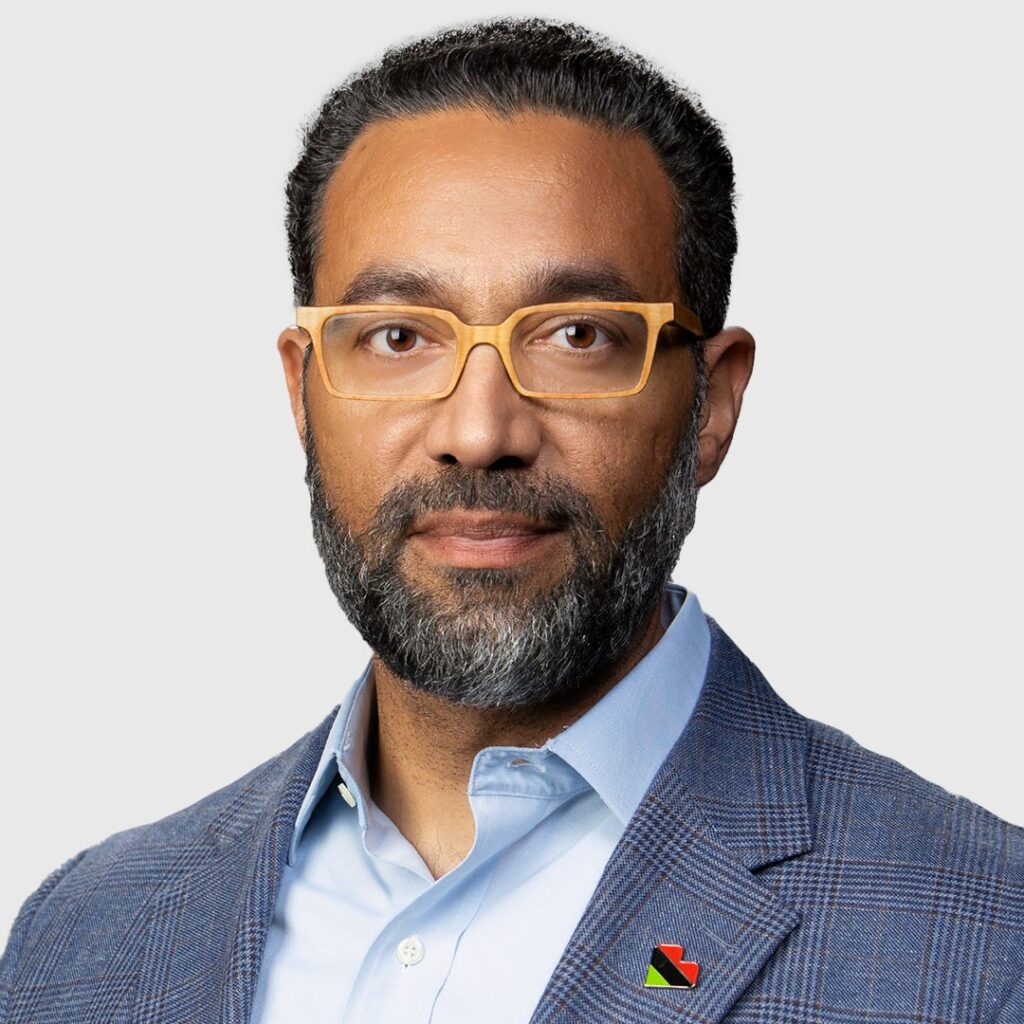
Breaking Barriers in Behavioral Healthcare: Dr. Taft Parson III –...
Summary: Dr. Taft Parsons III, Chief Psychiatric Officer at CVS Health, discusses his journey into behavioral health leadership and how…
More than half of our healthcare workers say they are burned out. Strained from working day after day under extreme stress, many are leaving the profession entirely. This, in turn, deepens the workforce shortage. Patients find it harder to get care, prices go up, and the whole healthcare system suffers.
Our own Sheetal Shah, Sr. VP, Commercial, talked to clinician advocate Janae Sharp, founder of Sharp Index, and Stanford University surgeon Dr. Kristan Staudenmayer to hear their insights on how healthcare executives can create the environment for real change.
Key Takeaways
More than half of our healthcare workers say they are burned out. Strained from working day after day under extreme stress, many are leaving the profession entirely. This, in turn, deepens the workforce shortage. Patients find it harder to get care, prices go up, and the whole healthcare system suffers.
Our own Sheetal Shah, Sr. VP, Commercial, talked to clinician advocate Janae Sharp, founder of Sharp Index, and Stanford University surgeon Dr. Kristan Staudenmayer to hear their insights on how healthcare executives can create the environment for real change.
Key Takeaways