Nine years ago, on July 13, 2013, the Black Lives Matter (BLM) movement was born. It started as a social media hashtag in response to the shooting of 17-year-old Trayvon Martin and the subsequent acquittal of his killer, George Zimmerman. Today it is a worldwide movement against police brutality and systemic racism. Its growth was fueled in part by the murder of George Floyd while in police custody in 2020. The ensuing protests that summer, some of the largest the U.S. has seen, according to the New York Times, forced the country and individuals to examine the racism embedded in our institutions, policies, and culture. While the unrest and the news coverage around it have led to a greater acknowledgment and understanding of racial trauma, each new act of violence against the Black community or a Black person retriggers it, bringing more emotional and physical pain.
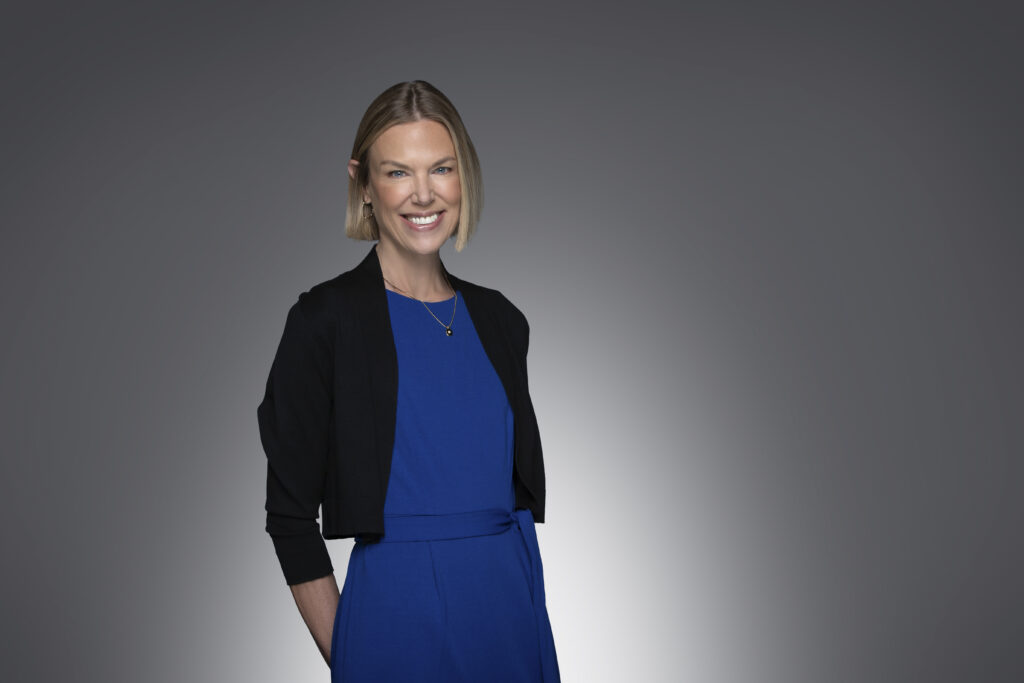
Two years after that summer of protests, and on the heels of a racially motivated shooting in Buffalo, we spoke to Allison Thompson, PhD, a clinical professor in the Department of Psychiatry and Behavioral Sciences at the Stanford University School of Medicine and a member of Woebot Health’s Diversity Advisory Board. She is an expert in treating people of color and other underrepresented and underserved populations and in post-traumatic stress disorder (PTSD).
How have you seen racial trauma manifest itself in your patients?
A fair number of my patients are African American. I see African Americans at all stages of life, from college students well into adulthood, and they all talk about race-related trauma. It’s a constant topic of conversation. What I see is quite a bit of anxiety, depression, and hyper-vigilance. People are nervous about where they’re going and feel like no place is safe. After the Buffalo shooting, someone said to me, “Do I have to start going to grocery stores in white neighborhoods to be safe?”
Are there specific treatments that are particularly effective for racial trauma?
It depends. I might do Prolonged Exposure therapy for someone who has been the direct victim or survivor of a racially motivated incident. It is an evidence-based treatment for PTSD that has the person recount the trauma repeatedly in session and confront situations, activities, and places they’ve been avoiding in real life because they remind them of the trauma. Essentially, avoidance maintains post-trauma reactions, and Prolonged Exposure helps people with PTSD stop avoiding. Obviously, I would never tell someone to do something unsafe in the name of the therapy. The things these patients are avoiding are objectively safe. By putting themselves back in those situations, they can regain control of their life and see a significant reduction in their PTSD symptoms.
For people who have not been the direct victims or survivors of racial trauma, any kind of culturally competent talk therapy can be effective. For many patients, it’s important to see someone who shares their identity. A lot of my patients sought me out because I’m a Black woman. They feel more comfortable talking to me because they don’t have to explain what it means to be a Black person in the United States in 2022. So I think being able to see a provider of color is incredibly important, and barring that, working with someone who has done the work to become a culturally sensitive and culturally competent clinician.
In addition to finding a culturally competent provider, what else might make people more open to getting support?
There is the belief that being in therapy or being depressed means you’re weak. Trying to find ways to change that misconception is really important. I talk to patients a lot about the strength it takes to reach out and call a therapist and say, “I’m struggling. I need to see someone.” It’s also helpful when people who are in therapy discuss it openly with their social circle. And hearing celebrities like Taraji P. Henson and Simone Biles talk about mental health normalizes it. It makes it a conversation people are more comfortable having, not just after a violent incident, but always.
In addition to tackling stigma, I think digital solutions can also benefit the community. People don’t have to walk into a therapist’s office, and they don’t have to pay a co-pay or potentially pay out of pocket to see someone. I’d like to see us get those apps in front of more people of color.
Seeing violence against one’s community is traumatic, but what about the constant news coverage surrounding and amplifying it?
The ongoing national conversation about anti-Black racism and calling people out on their racism has had an enormous, positive effect. Experiencing a microaggression at work or in a social setting is isolating, leaving people wondering, “Am I losing it? Did that really happen?” The conversation lets them know they are not alone.
But it also reopens the trauma. Seeing something over and over again is a trigger. Plus, new incidents happen all the time. Recently, a noose was found on Stanford’s campus, and there was the shooting in Buffalo. While I encourage people to talk about the things that upset them, they also need to balance the desire to be informed with the need to protect themselves. Watching the news and having heavy conversations 24/7 leads to feeling overwhelmed and fatigued. What I counsel people to do–and what I do for myself–is limit news intake. Before the 2020 protests, I read five newspapers a day online. Now I spend maybe half an hour watching the news on TV and then turn it off. I’m not going to get any new information if I keep watching. I’m just going to see the same stories over and over again and get upset over and over again.
What else do you suggest people do when feeling hopeless or powerless?
Find ways to be meaningfully involved, to push back. I can give you an example from my own life. About two years ago, I was out with my partner and his then 16-year-old son when we came across people vandalizing a Black Lives Matter mural. My partner videotaped it, and we called the police. By the time they arrived, the vandals were gone, but the police eventually tracked them down and charged them with a hate crime.
I kept thinking I needed to do something, so I reached out to the prosecutor and offered to be a witness. As much as I hate the thought of having to sit on a witness stand and face these two people, it felt like the right choice to make. Similarly, I encourage the people I work with to find ways to get involved that are in line with their values and beliefs.
If you could change anything, big or small, about the way mental healthcare is delivered in this country, what would you do?
I would want there to be more clinicians of color. More Black clinicians. More Latinx clinicians. We enter the psychology field at a low rate, and I think that’s because people don’t know that this field exists. Also, a lot of people go into significant amounts of debt to become psychologists. If we could find a way to financially support people of color who want to be clinicians, I think that would go a long way to making this field more culturally competent.