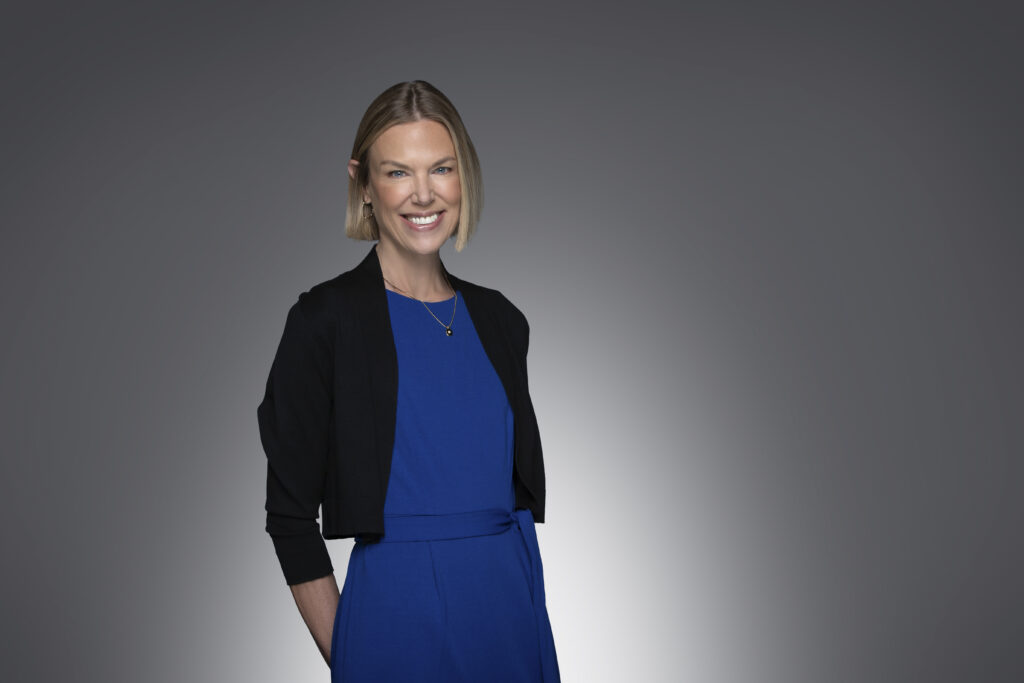
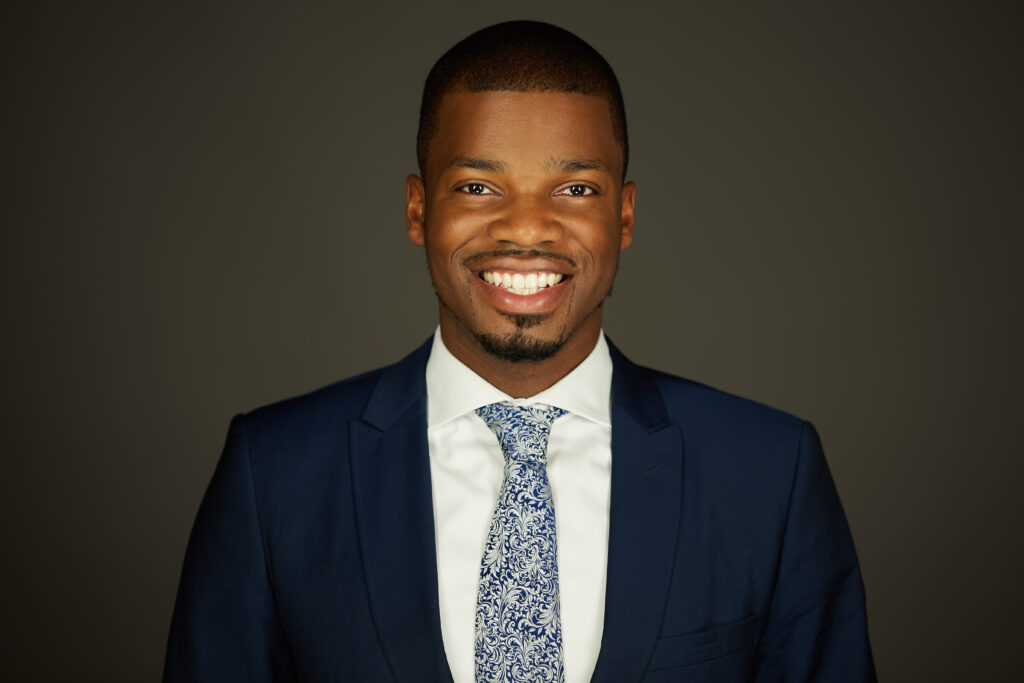
It’s common for psychologists and psychiatrists to share patients, but in the case of Stanford Medicine’s Axel Valle, PsyD, and Dr. Nataly Beck, they also shared an idea.
As Latino clinicians–he is from Mexico, she is from Peru–they are part of a very small group. According to the American Psychological Association, only 7% of licensed psychologists in the U.S. identify as Latino, and only 5.5% can provide services in Spanish. This is why the duo cofounded La Clínica Latina. Its mission: to provide accessible care that prioritizes the specific mental health and language needs of Latinos in the Bay Area.
We spoke to Valle, a new member of our Diversity Advisory Board, about La Clínica Latina’s mission and the broader impact it seeks to achieve.
Tell us about La Clínica Latina.
We work to provide quality services and evidence-based treatments primarily to Spanish speakers. We also treat people who speak English or some combination of Spanish and English. The majority of our patients are Spanglish speakers.
Stanford and other places have translation services, but it’s not the same. Language goes beyond just the translation of words. In the language itself, you can see many aspects of culture. So, we also pay a lot of attention to some cultural particularities about Latin Americans.
There is so much diversity under the umbrella of “Latino.” Are there cultural throughlines?
We don’t claim to be the experts on Latinos. That would be an overstatement. We try to be very humble in trying to understand what the person is going through. But there are some common threads in cultural expectations and cultural expressions.
We start from the place of knowing that the person in front of us, number one, is part of a minority. Most people we see have experienced being othered in this country. Another is their immigration stories or level of acculturation. Let’s say someone comes from an indigenous background in Peru, and someone else comes from Colombia. Oftentimes, the clash that they experience with American culture is similar because they encounter the same barriers.
It’s also common to see someone who’s first generation having communication differences with relatives who are second generation.
Are there differences between Latino and Anglo-American cultures that affect the way you work with patients?
These are generalizations, of course, but Anglo-American patients are often very nuclear family-oriented. So when they say “my family,” they mean parents and children, for the most part, maybe grandparents. When Latinos say family, it’s really an extended family. All the cousins, and all the aunts, compadres, neighbors–everybody. So, we spend a lot of the clinical time really trying to understand what is the support network like, how it operates, and where the patient fits.
Another difference, and this is also a generalization, is that in Latin American cultures, there is an emphasis on spirituality and religion. In the US, it’s a very taboo thing to talk about within the context of medicine and psychology.
Suppose someone talks about having visions, for example. As a clinician, I have to figure out, okay, is this person talking about hallucinating? Is this person talking about a flashback? Is this person talking about their connection to loved ones who are not alive anymore? I know of one patient who was talking about visions. The clinician didn’t speak Spanish, so they were using a translation service. The clinician formulated the case as psychosis when really the patient was experiencing dreams and flashbacks related to trauma.
Communication differs, too. In Anglo-American culture, it is direct, business-like, and task-oriented. Latinos are more indirect. Communication includes a lot of use of illusions, metaphors, and jokes to transmit information. There’s a high level of emotional resonance between people. So, we pay a lot of attention to the therapeutic relationship, and we talk a lot about somatic experiences, for example.
Is there any difficulty or challenge in translating evidence-based treatments like CBT?
They are protocols because we want to be able to generalize treatments. There’s a whole system to make it a protocol. If we read a typical treatment manual for PTSD, for example, there are scripts that people can read. It’s A, B, C, D. It is a very businesslike, task-oriented way of seeing things. With Latinos, I think the approach of how to implement things is different. It’s more like a dance. We want to deliver treatments with fidelity. But if you don’t personalize it, if you don’t include some level of creativity, it will feel very sterile. It has to really feel authentic.
Are you pleased to see more attention being paid to the needs of specific groups?
On the one hand, I am very happy that we are paying special attention to providing services in a particular way and understanding the different particularities that come with cultural differences. At the same time, I think we live in a time where people are being compartmentalized too much in categories of identity. In my opinion, that can send an implicit message that some treatments are exclusive for some people, and some treatments are exclusive for other people. It just serves as another way of othering. Even if it comes with a good intention. Latinos here, even though a lot of us hold our cultures and countries of origin very close to our hearts, we are part of American society as well.
If you could change one thing about the way that mental healthcare is delivered in this country, what would it be?
I think that mental healthcare is so medicalized that sometimes it becomes really narrow and focused on treating what’s “wrong,” which, of course, is important. But often strengths, a strength-based approach, is overlooked, especially in Latinos. A lot of people have immigration stories. We talk about trauma. We talk about intergenerational trauma, so there is so much space for post-traumatic growth. There is so much space for resilience. So much space for understanding what helps people thrive.